Hand Drawn Flower Art: A Designer’s Real-World Embroidery Review
First Impressions: Soft, Sketchy, and Surprisingly Versatile
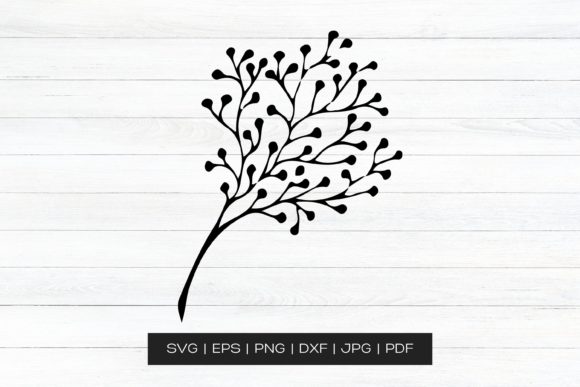
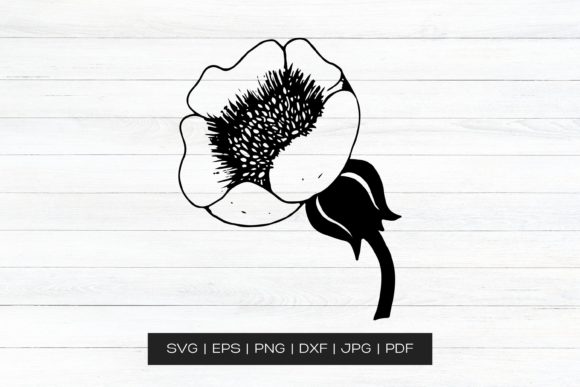
When I opened Hand Drawn Flower Art, I didn’t see a rigid vector or a pixel-perfect clipart flower—I saw something that breathes. Loosely sketched petals, uneven stems, and subtle line weight variation give it warmth and approachability. It feels handmade before it’s even stitched. That sketch-like quality makes it ideal for projects where authenticity matters more than polish: baby onesies, linen tea towels, boutique aprons, or personalized gift totes. It’s not fussy—it doesn’t demand perfection from the stitcher or the fabric. And that’s rare in digital embroidery files.
How It Stitches: Where This Design Truly Shines
I tested Hand Drawn Flower Art on three real projects: a medium-weight cotton tote bag, a lightweight organic cotton sweatshirt, and a 100% linen pillow cover. On the tote, the design held its shape beautifully—no puckering, no thread breakage—even with moderate stitch density. The loose lines translated well into satin and running stitches, giving a hand-stitched illusion without the labor. On the sweatshirt, I used a light cutaway stabilizer and reduced top tension slightly; the result was soft, flexible, and wearable—not stiff or plasticky. Linen loved it: the sketchy texture echoed the fabric’s natural slubs, making the finished pillow cover feel cohesive and intentional.
This isn’t a design built for dense fill-stitch florals or photorealistic blooms. It’s a machine embroidery design that leans into simplicity—so it works exceptionally well for embroidered patch backings, small-batch custom apparel, and personalized gift items where charm outweighs complexity. Etsy sellers will find it especially useful for listings like “hand-embroidered nursery decor” or “minimalist kitchen towel set”—it reads as thoughtful, not mass-produced.
Where to Use It Thoughtfully (Not Just Everywhere)
That same sketchiness becomes a liability in certain contexts. On dark fabric, fine interior lines can disappear unless you use high-contrast thread—or add a subtle underlay. On thin or stretchy fabric (like jersey baby onesies), those delicate stem lines may distort without proper stabilization and careful hooping. I’d avoid using Hand Drawn Flower Art on curved surfaces like caps without first testing hoop placement and stitch direction—it’s not inherently contoured for 3D surfaces.
Also, don’t assume it scales down flawlessly. At under 2 inches wide, some of the finer petal outlines risk becoming indistinct or lost in the stitch density. If you’re planning small shop product labels or embroidered buttons, test at your target size on scrap fabric first. And while it’s labeled suitable for plotters, remember: as a digital embroidery file, its strength lies in texture and flow—not crisp corners or tiny lettering. It’s not an applique design—so don’t treat it like one.
What It Adds (and Doesn’t Add) to Your Finished Product
Hand Drawn Flower Art elevates perceived value by signaling care and craft—not just decoration. Customers notice when a design feels intentional rather than stock. On a holiday gift sweatshirt or a wedding guest towel set, it reads as curated, not generic. That directly supports brand consistency for creative entrepreneurs who sell across Etsy, craft fairs, and local boutiques.
But it won’t mask poor execution. If your thread tension is off or your stabilizer choice is weak, the sketchy lines will emphasize flaws—not hide them. And because it’s so expressive, mismatched thread colors (e.g., neon green on cream linen) can unintentionally shift the mood from serene to playful. Keep color palettes restrained and fabric-appropriate: oatmeal thread on natural canvas, dusty rose on ivory cotton, charcoal on heather grey.
Practical Notes Every Embroidery Designer Should Check
- Test first—always run Hand Drawn Flower Art on scrap fabric matching your final project’s weight and stretch.
- Review stitch density before scaling—some areas may need manual adjustment if you enlarge beyond 120%.
- Confirm hoop size—this design likely fits standard 4×4 hoops, but verify before committing to a large batch.
- Inspect small details in your embroidery software: look for stray nodes or overly tight curves that could snag thread.
- Mock it up in black and white—this helps assess contrast and clarity before stitching.
- Compare light vs. dark backgrounds visually—some line weights behave differently on contrasting fabrics.
- Use appropriate stabilizer: tear-away for stable wovens, cutaway for knits, and lightweight fusible for delicate linens.
- Check licensing before selling finished items or bundling Hand Drawn Flower Art into your own design assets—the description says it’s suitable for craft ideas and merchandise, but confirm commercial rights apply to your use case.
A Final Thought for Craft Business Owners
If you’re an Etsy seller, small shop owner, or creative entrepreneur building a recognizable aesthetic, Hand Drawn Flower Art is less of a “filler graphic” and more of a quiet signature element. It pairs effortlessly with neutral palettes, natural fibers, and minimalist branding. Used intentionally—as a single motif on a tea towel, a subtle chest embroidery on a child’s apron, or a cluster on a holiday mug cozy—it builds recognition over time. It doesn’t shout. It invites closer looking. And in a crowded market of digital Graphics and Crafts assets, that kind of quiet confidence is exactly what makes a design worth keeping in rotation.